
LCDサイネージ完全ガイド
LCDサイネージ液晶ディスプレイは、現代のコミュニケーションにおいて最も強力なツールの1つとして静かに定着し、企業が情報発信や顧客エンゲージメントを行う方法を変革しています。企業は、静的なポスターに頼るのではなく、動画、リアルタイムの更新情報、ターゲットを絞ったメッセージなどを表示できる動的なデジタルスクリーンを活用するようになりました。これらのディスプレイの背後には、ディスプレイ技術、メディアプレーヤー、クラウドベースのソフトウェアがシームレスに連携して動作しています。液晶ディスプレイの仕組みを理解することで、その技術の素晴らしさを実感できるだけでなく、小売、交通、スマート環境などにおいて、なぜ液晶ディスプレイが今日不可欠な存在となっているのかも明らかになります。
1. LCDサイネージとは?
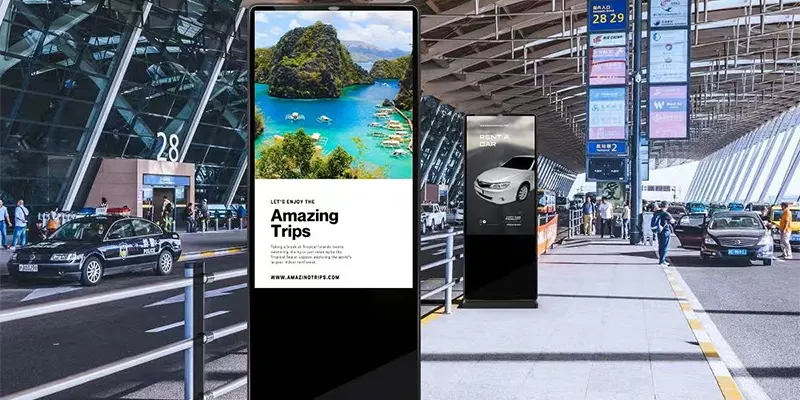
ショッピングモール、空港、あるいは近代的なオフィスビルに足を踏み入れると、広告、アナウンス、メニューなどを表示する明るいデジタルスクリーンがすぐに目に留まります。これらはLCDサイネージディスプレイであり、今日のデジタルコミュニケーション環境の中核を成すものです。簡単に言えば、LCDサイネージとは、液晶ディスプレイ(LCD)技術を用いて動画、画像、アニメーションなどのマルチメディアコンテンツを表示するデジタルスクリーンを指します。
しかし、それを「ただのスクリーン」と呼ぶのは、その真価を十分に表しているとは言えません。LCDサイネージは、単なる受動的なディスプレイではなく、スマートなコミュニケーションプラットフォームとして捉えるべきです。すべてのスクリーンの背後には、ハードウェア、ソフトウェア、ネットワーク接続がシームレスに連携して動作しています。最近の業界データによると、世界のデジタルサイネージ市場は290億ドルを超え、コスト効率と鮮明さに優れたLCDベースのソリューションが牽引役となり、着実に成長を続けています。
静的な看板を、数秒でメッセージを切り替え、時間帯に合わせて表示内容を調整し、さらには顧客の行動にも反応するディスプレイに置き換えることを想像してみてください。これこそがLCDサイネージの真の力です。情報を動的で柔軟性があり、ターゲットを絞り込んだものへと変えることができるのです。
2. 従来の看板との違い
では、LCDサイネージは従来のポスターや印刷された看板とどう違うのでしょうか?その違いは、動きだけにとどまりません。
従来の看板は静的で、誰かが物理的に交換するまで同じメッセージが表示され続けます。一方、LCD看板は遠隔操作でコンテンツを更新できるため、企業は複数の場所でメッセージを瞬時に変更できます。これは、常に最新の情報を提供する必要がある小売チェーン、レストラン、交通機関の拠点などで特に役立ちます。
もう一つの大きな違いは、コンテンツ容量です。1つの液晶画面に、動画、スライドショー、さらにはリアルタイムのデータフィードなど、数十種類のメッセージを順番に表示できます。これは、1つの看板をコンテンツライブラリ全体に変えるようなものです。
そして、エンゲージメントも重要です。動画、アニメーション、さらにはインタラクティブなタッチ機能などは、自然と人々の注目を集めます。研究によると、デジタルサイネージは静止画ディスプレイに比べて、顧客の記憶定着率とエンゲージメントを大幅に向上させることが示されています。単に情報を表示するだけでなく、人々の足を止め、注目させ、行動を促すことが重要なのです。
3.LCDディスプレイ技術とは?
液晶メカニズム
LCD技術の中核を成すのは液晶です。液晶とは、電流を流すと配向が変化する材料です。これらの結晶自体は光を発しませんが、小さなシャッターのように働き、透過する光の量を制御します。
分かりやすい例えを想像してみてください。調節可能なブラインドを思い浮かべてください。ブラインドの角度を変えると、透過する光の量が変わります。液晶の仕組みは基本的にこれと同じで、微細なレベルで光を制御しているのです。
バックライトの役割
液晶は発光しないため、LCDディスプレイは通常LEDで構成されたバックライトに依存している。このバックライトが液晶層を透過することで、画像が見えるようになる。
これが、LCDスクリーンがLEDディスプレイ(自発光型)と異なる点です。バックライトは常に点灯しており、液晶が光を選択的に遮断したり透過させたりすることで画像を作り出します。
ピクセルと色の形成
液晶画面の各ピクセルは、赤、緑、青の3つのサブピクセルで構成されています。それぞれの強度を調整することで、ディスプレイは数百万色(通常は約1670万色)の色を表現できます。
この精密な制御により、LCDサイネージは鮮明で詳細な画像を表示することができ、小売店やエレベーターなど、近距離で見る環境に最適です。
4. LCDサイネージの仕組みをステップごとに解説します。
コンテンツの作成とアップロード
すべてはコンテンツから始まります。企業は、ターゲット層に合わせた動画、画像、アニメーションを作成します。そして、これらのファイルをCMS(コンテンツ管理システム)にアップロードします。
ソーシャルメディアにコンテンツを投稿するようなものだと考えてください。ただし、フォロワーのスマートフォンではなく、デジタルスクリーンに表示されるという点が異なります。
データ伝送
アップロードされたコンテンツは、Wi-Fi、イーサネット、または4G/5Gネットワークを介してデジタルサイネージディスプレイに送信されます。安定した接続により、更新は迅速かつ中断なく行われます。
大規模ネットワークにとって、この手順は非常に重要です。時間的制約のあるキャンペーンでは、わずか数秒の遅延でも大きな影響を与える可能性があります。
表示出力処理
最後に、メディアプレーヤーはコンテンツをデコードし、LCDパネルに視覚信号を送信します。パネルは、液晶システムとバックライトを使用して画像を表示します。
このプロセス全体がほぼ瞬時に行われるため、シームレスな視聴体験が実現します。
5. ソフトウェアと接続性の役割
クラウドベースの制御
最新のLCDサイネージシステムはクラウドベースであることが多く、ユーザーは世界中のどこからでも画面を管理できます。オフィスにいても、出張中でも、数回クリックするだけでコンテンツを更新できます。
リアルタイムコンテンツ更新
プロモーション内容の変更や緊急情報の表示が必要ですか?問題ありません。LCDサイネージはリアルタイム更新が可能なので、従来のメディアよりもはるかに迅速な対応が可能です。
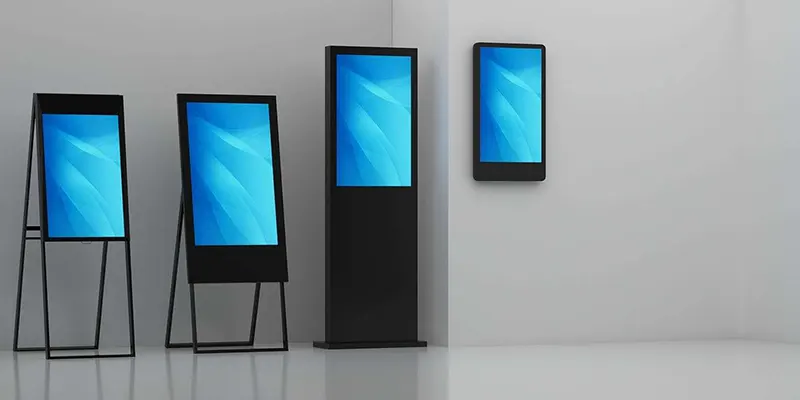
6. LCDサイネージの種類
屋内展示
ショッピングモール、オフィス、レストランなどで使用されるこれらのディスプレイは、極端な明るさよりも明瞭さとデザイン性を重視している。
屋外用高輝度ディスプレイ
過酷な環境向けに設計されたこれらのディスプレイは、高輝度、耐候性、温度制御システムを備えています。
インタラクティブタッチディスプレイ
これらは、ユーザーが画面と直接やり取りすることを可能にするもので、キオスク端末、案内板、セルフサービス端末などでよく見られる。
結論
LCDサイネージは単なるディスプレイにとどまらず、ハードウェア、ソフトウェア、接続性を融合させた高度なシステムであり、ダイナミックで魅力的なコンテンツを提供します。微細なレベルでの光制御からグローバルなコンテンツネットワークの管理まで、あらゆるコンポーネントが情報共有の方法を変革する上で重要な役割を果たしています。技術の進化に伴い、LCDサイネージはますますインテリジェントでインタラクティブになり、現代のコミュニケーションにおいて不可欠な存在となるでしょう。
よくある質問
1. LCDサイネージはテレビと同じですか?
いいえ。LCDサイネージは業務用に設計されており、長時間稼働、遠隔管理、そして高い耐久性を備えています。
2. LCD看板は24時間365日稼働できますか?
はい、業務用ディスプレイは連続稼働を前提に設計されています。
3. LCDサイネージにはインターネット接続が必要ですか?
必ずしもそうとは限りませんが、インターネット接続があれば、リモートでのアップデートや高度な機能を利用できます。
4. 屋外用液晶ディスプレイはなぜあんなに明るいのですか?
日光の下でも視認性を保つため、高輝度バックライト(2000ニト以上)を使用している。
5. LCD看板はインタラクティブにできますか?
はい、多くのシステムがユーザー操作のためのタッチスクリーンに対応しています。