
インタラクティブな道案内標識は、医療現場における患者満足度と業務効率の向上に貢献する。
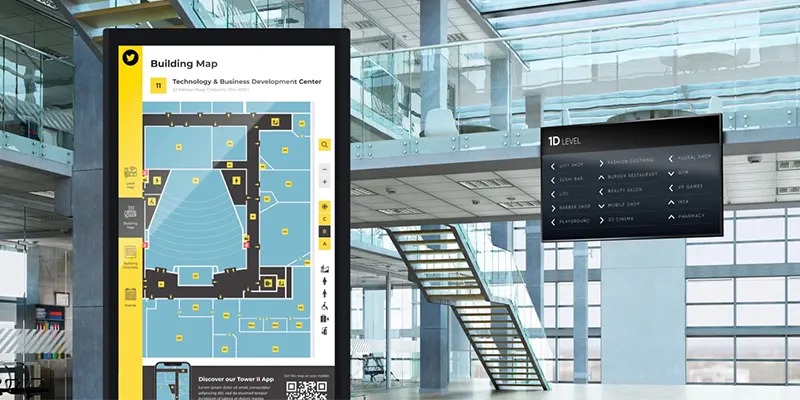
インタラクティブな道案内とは、建物内の各部署、医師、病室、サービスなどを探す際に役立つデジタルサイネージシステム(通常はタッチスクリーン式のキオスク端末や大型インタラクティブディスプレイ)のことです。これらのシステムを利用することで、訪問者はキーワード検索、ディレクトリの閲覧、地図からの目的地選択などを行うことができます。
屋内ナビゲーションアシスタントと考えてください。運転中にGPSに頼るのと同様に、インタラクティブな道案内大型医療施設内では、案内標識が逐一道順を案内します。システムによっては、案内をモバイル端末に直接送信できるものもあり、最初から最後までスムーズな移動が可能になります。
現代の医療施設におけるナビゲーションの課題の増大
医療インフラは急速に拡大している。病院はもはや単一の建物ではなく、大規模な医療キャンパスとして運営されている。成長に伴い複雑さが増し、その複雑さがナビゲーションの難しさを生み出す。
病院キャンパスの拡張
現代の病院は、多くの場合、複数の専門センター、研究棟、外来診療所、救急外来、駐車場などを備えている。一度の受診で、複数のフロア、あるいは別々の建物を移動しなければならない場合もある。
明確な案内がないと、訪問者は簡単に方向感覚を失ってしまう。そして、道順が分かりにくくなると、すぐに不満が募る。
精神的ストレスと訪問者の混乱
病院は感情的に非常に緊張した場所です。患者や家族は、不安や戸惑い、圧倒されるような気持ちを抱えて病院に到着することがよくあります。目的地を見つけるのに苦労すると、そのストレスはさらに増大します。
インタラクティブな道案内標識はそうした感情的な摩擦を軽減します。分かりやすいデジタル案内は、すでに困難な一日になりそうな状況において、安心感とコントロール感を与えてくれます。
ナビゲーションの不備がもたらす隠れたコスト
道案内の問題は患者だけでなく、病院の運営にも影響を及ぼします。遅刻は予約スケジュールを乱し、職員は本来の業務に集中する代わりに、道案内に貴重な時間を費やすことになります。
こうした小さな非効率性が積み重なると、やがて大きな運用コストにつながります。インタラクティブな案内標識は、こうした隠れた生産性低下要因に直接対処します。
インタラクティブな道案内標識は実際どのように機能するのか?
システムの仕組みを理解することで、その価値を明確に把握できます。インタラクティブな道案内標識は、本質的にハードウェア、ソフトウェア、そして高度なマッピング技術を組み合わせたものです。
タッチスクリーン式ディレクトリキオスク
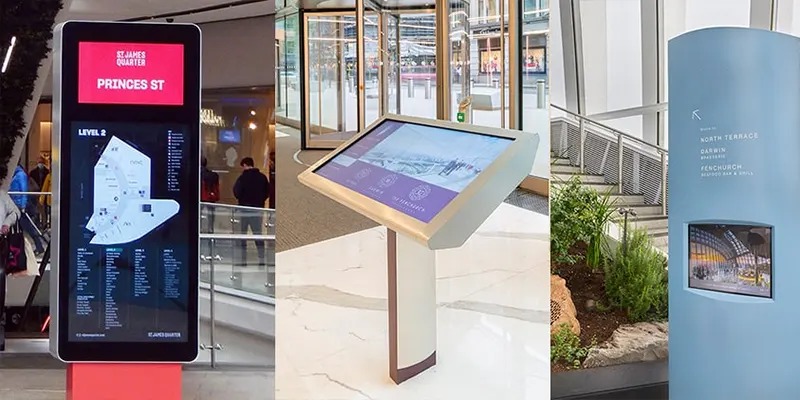
戦略的に設置されたキオスク端末は、通常、入口、ロビー、人通りの多い交差点付近に配置されます。利用者は、医師名、診療科、診療の種類、または部屋番号で検索できます。
インターフェースはシンプルさを重視して設計されています。大きなボタン、見やすいフォント、直感的なナビゲーションにより、あらゆる年齢層のユーザーが快適にシステムを操作できます。
動的リアルタイムマッピング
目的地を選択すると、システムは視覚的なルートを表示します。アニメーションで表示される線が経路を段階的に示し、曖昧さを排除します。印刷された地図とは異なり、これらのルートは部署の移転や一時的な閉鎖が発生した場合でも即座に更新されます。
リアルタイム更新は正確性を保証するものであり、静的な看板では決して保証できない。
モバイル接続とQRコード統合
現在、多くのインタラクティブシステムがモバイル連携機能を提供している。目的地を選択した後、ユーザーはQRコードをスキャンすることで、スマートフォンに直接道順を表示させることができる。
これにより、指示を暗記する必要がなくなります。訪問者は、リアルタイムのデジタルガイダンスに従いながら、安心して歩くことができます。
屋内測位とスマートテクノロジー
高度なソリューションには、GPSと同様の機能を持つ屋内測位技術が組み込まれています。これらのシステムは建物内の位置を追跡し、動的で分かりやすいターンバイターン方式のナビゲーションを提供します。
技術の進化に伴い、これらの機能はより精密でパーソナライズされたものへと進化していくでしょう。
スマートナビゲーションによる患者満足度の向上
患者満足度は医療における重要な業績指標である。そして、ナビゲーションは、その満足度を左右する上で驚くほど大きな役割を果たしている。
不安や感情的な摩擦を軽減する
人は道に迷うとストレスを感じます。実に単純なことです。明確で双方向的なガイダンスは、不安を取り除き、自信へと変えてくれます。
混乱を減らすことで、病院は患者と訪問者の双方にとって、より穏やかで安心できる環境を作り出すことができる。
インクルーシブデザインと多言語サポート
医療施設は多様なコミュニティにサービスを提供しています。インタラクティブシステムは、多言語対応、フォントサイズの調整、音声ガイダンス機能などを備えています。
この包括性は、アクセス性を向上させ、すべての患者に平等にサービスを提供するという姿勢を示すものです。
各部門における業務効率の向上
患者体験の向上に加え、インタラクティブなナビゲーションシステムは業務効率を劇的に向上させる。
フロントデスクの負担軽減
スタッフは、道順に関する質問に繰り返し答えることが多い。インタラクティブな案内標識を導入することで、この作業を自動化し、スタッフはより付加価値の高い業務に集中できるようになる。
人員を増やすことなく効率性を向上させる。
遅刻や予約のキャンセルを減らす
患者が自分の診療科を見つけられずに遅刻すると、予約スケジュールに支障をきたします。インタラクティブなナビゲーションは遅延を減らし、スケジュールを円滑に進めるのに役立ちます。
タイミングの一貫性は、ワークフロー全体のパフォーマンスを向上させます。
来客数を戦略的に管理する
インタラクティブシステムは、来院者の流れをより均等に分散させることができます。最適化された経路に沿って来院者を誘導することで、病院は混雑した廊下や待合室の混雑を緩和できます。
交通管理の改善は、安全性と快適性を向上させる。
コミュニケーションと病院ブランドの強化
デジタルサイネージは、コミュニケーションプラットフォームとしても機能します。
リアルタイムのお知らせとアラート
病院は、重要な最新情報、公衆衛生キャンペーン、緊急通知、イベント情報などを即座に表示できます。
これにより、重要なメッセージが訪問者に迅速かつ効果的に届くことが保証されます。
部門とサービスの効果的なプロモーション
インタラクティブスクリーンは、専門サービス、健康増進プログラム、または新しい治療法を紹介することができます。このシステムは、来院者を案内するだけでなく、病院の能力に対する認知度を高める効果もあります。
それは目的を持ったコミュニケーションだ。
フィードバック
インタラクティブな案内表示システムを導入後、クライアントから非常に好意的なフィードバックが寄せられました。患者満足度が向上し、来院者は施設内をはるかに容易に移動できるようになりました。受付スタッフは道案内に関する質問への対応が減り、業務が円滑化し、予約時間も守られるようになりました。全体として、このシステムは効率性と病院のプロフェッショナルなイメージの両方を向上させました。
結論
インタラクティブな案内標識は、単に道順を表示するだけではありません。不安を軽減し、効率性を向上させ、コミュニケーションを強化し、より賢明な業務上の意思決定を支援します。
医療現場では、あらゆる瞬間、あらゆるやり取りが重要となるため、分かりやすい案内表示は選択肢ではなく、不可欠です。インタラクティブな案内システムを導入する病院は、患者中心で革新的、かつ運営効率の高い病院として自らを位置づけることができます。
明確な道筋はより良い体験につながる。そして、より良い体験はより良い結果を生み出す。
よくある質問
1. インタラクティブな道案内標識は、患者満足度をどのように向上させるのか?
混乱を減らし、ストレスを軽減し、明確なナビゲーション支援を提供することで、よりスムーズな訪問につながります。
2. これらのシステムは病院のソフトウェアと連携できますか?
はい、多くのソリューションは、スケジュール管理、会議室管理、ディレクトリデータベースと連携し、リアルタイムでの更新を可能にしています。
3.インタラクティブキオスクは高齢の患者にとって利用しやすいですか?
ほとんどのシステムは、使いやすさを確保するために、大きなボタン、シンプルなインターフェース、およびアクセシビリティ機能を備えて設計されています。
4. インタラクティブな道案内システムは運用コストを削減しますか?
スタッフの業務中断や予約の遅延を減らすことで、効率性が向上し、隠れた運営コストが削減されます。
5.インタラクティブな道案内システムは、小規模な診療所にも適していますか?
はい。小規模な診療所から複数の建物からなるキャンパスまで、あらゆる規模の施設に対応できる拡張性の高いソリューションが存在します。